
A luxury vehicle does not always reveal a poor repair right away.
At first, everything may seem fine. The bumper is back on. The paint looks shiny. The door closes. The car drives home from the body shop without warning lights screaming from the dashboard. For many vehicles, that might be enough to make the owner feel relieved.
Then the little things begin.
A hood line catches the sunlight differently than before. A door needs slightly more pressure to close. A bumper corner does not sit as tight as the other side. A metallic paint finish looks perfect in the shade but cloudy under direct sun. At freeway speed, the car feels a little less planted than it used to. Nothing dramatic. Nothing obvious enough to make everyone notice. But for the person who knows the car, something feels off.
That is where luxury collision repair becomes different.
A BMW, Audi, Mercedes, or other premium vehicle is not just expensive because of the badge on the grille. These vehicles are built around tighter tolerances, refined body lines, advanced materials, layered electronics, complex paint finishes, and a driving feel that depends on everything being where it should be. When one of these vehicles is damaged, the repair has to restore more than appearance. It has to restore proportion, balance, alignment, structure, safety, and confidence.
This is why luxury collision repair requires a different level of precision.
It is not about making the repair look expensive. It is about making the vehicle feel complete again.
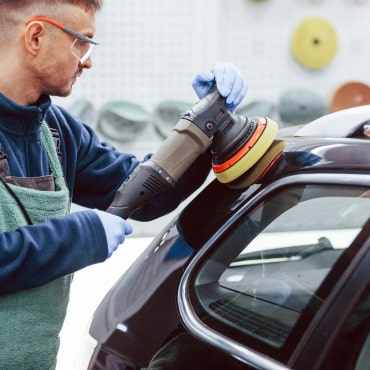
Luxury Repairs Are Judged by Smaller Details
On a basic repair, many drivers look for obvious signs. Is the dent gone? Is the paint close? Does the bumper stay attached? Is the car ready to drive?
Luxury vehicle owners often judge the repair differently, even if they do not use technical language. They notice the reflection across the side of the car. They notice whether the door handle sits flush. They notice whether the trim lines flow evenly from front to rear. They notice whether the hood meets the fender with the same clean spacing on both sides.
These details matter because luxury vehicles are designed to look intentional from every angle. The body lines are not random. The gaps between panels are not accidental. The curve of a bumper, the angle of a headlight, the way a fender meets the door, and the depth of the paint all contribute to the vehicle’s original character.
After a collision, that character can be disturbed even when the damage seems minor.
A light front-end hit may shift a fender just enough to affect the hood gap. A side impact may move a door shell or hinge area slightly out of place. A rear impact may bend mounting points behind the bumper cover, leaving the outside looking repaired while the foundation underneath is not truly restored.
The repair may pass a quick glance, but luxury vehicles are not built for quick glances. They are built for accuracy.
At Omega Collision Center, this is one of the reasons luxury repairs are approached with careful inspection rather than surface-level correction. The visible damage is only the starting point. The real question is what changed behind the panel, below the paint, around the mounting points, and through the structure of the vehicle.
A Luxury Car Is a System, Not a Collection of Panels
One of the biggest mistakes people make after an accident is thinking of collision repair as a simple panel problem.
A damaged bumper is not always just a bumper. A bent fender is not always just a fender. A scraped quarter panel is not always only cosmetic. On a luxury vehicle, exterior parts are connected to sensors, brackets, crash management components, trim systems, lighting assemblies, cooling areas, and structural attachment points.
When an impact happens, force travels.
It may begin at the bumper cover, but it can move into reinforcement bars, absorber materials, frame rails, radiator supports, hood latch areas, parking sensors, camera brackets, blind spot components, and panel edges. The outer panel may absorb part of the impact, but the rest of the vehicle often tells a deeper story.
This is especially important on modern luxury vehicles because so many systems depend on exact positioning. A sensor that is slightly misaligned may not behave the same way. A headlight that sits slightly out of position may affect the visual balance of the front end. A bumper that is mounted just a little off may create uneven spacing around the grille or fenders.
Good luxury collision repair begins by treating the vehicle as a complete system.
That means the technician must understand how the damaged area connects with everything around it. The goal is not just to replace what is broken. The goal is to restore the way the vehicle was designed to fit, protect, move, and respond.
A proper repair plan looks beyond the obvious. It asks:
Did the impact shift the mounting points?
Are the surrounding panels still square?
Did the force travel into the structure?
Are sensors, brackets, and trim pieces still positioned correctly?
Will the repaired area support the vehicle’s safety systems as intended?
Will the car look right in bright sunlight, not just inside the shop?
These questions separate a cosmetic repair from a true luxury collision repair.
BMW Repairs Must Protect Driving Feel
BMW owners often describe their vehicles by feel. Steering response, balance, road contact, body control, and stability are part of the experience. Even when a BMW looks repaired, the owner may still notice if the car does not feel settled on the road.
Collision damage can affect that feel in several ways.
A hit near the front corner may influence alignment points, suspension-related mounting areas, fender positioning, or bumper support areas. A side impact may affect door alignment or rocker panel integrity. A rear hit may shift body structure or trunk alignment enough to create noise, water sealing issues, or uneven panel gaps.
The challenge with BMW collision repair is that performance and appearance are closely connected. A panel that is not fitted correctly may not only look uneven. It may point to a deeper alignment issue. A car that pulls slightly, tracks differently, or feels less stable may need more than exterior repair.
This is where precision becomes practical, not just cosmetic.
A BMW repair should include careful inspection of body lines, structural areas, panel positioning, and any components connected to the damaged zone. The technician is not simply trying to make the vehicle pretty again. The repair should help preserve the driving confidence the owner expects.
A luxury repair shop also has to understand that BMW owners tend to know their cars well. They remember how the door sounded before the accident. They know how the steering felt on the freeway. They know how the hood sat before the fender was damaged. These details may seem small to someone rushing a repair, but they are part of the ownership experience.
That is why a BMW should never be repaired with a “close enough” mindset.
Close enough is not the same as correct.
Audi Repairs Require Attention to Technology and Structure
Audi vehicles are known for clean design, sharp body lines, and advanced engineering. Many models use lightweight materials, tightly integrated systems, and refined panel transitions that make poor repairs easy to spot.
A repaired Audi should not have uneven bumper corners, inconsistent headlight spacing, wavy reflections, or trim that feels forced into place. These vehicles have a crisp exterior language. When the repair is off, even slightly, the result can look unfinished.
The technical side is just as important.
Modern Audi body repair may involve damage near cameras, parking sensors, radar-related components, lighting systems, or structural areas that support advanced features. When these systems are connected to body parts, the quality of the collision repair affects more than appearance.
A bumper cover that looks fine but sits incorrectly may affect sensor positioning. A replaced panel that is not aligned accurately may create fitment issues with surrounding parts. A repair that ignores hidden damage may lead to future problems that the owner only notices later.
Audi repairs also require patience with surface quality. Because many Audi models have smooth side profiles and sharp creases, any uneven body work can show through the paint. A panel that is not shaped correctly before refinishing may create distorted reflections. In Las Vegas sunlight, that kind of imperfection can be hard to hide.
Luxury repair work is often about controlling what the eye catches.
On a silver, gray, black, or pearl Audi, a small wave in the panel can become obvious under angled light. A paint blend that looked acceptable indoors can appear uneven outside. A trim piece that sits slightly raised can interrupt the entire line of the vehicle.
A proper Audi repair has to respect both the engineering and the design.
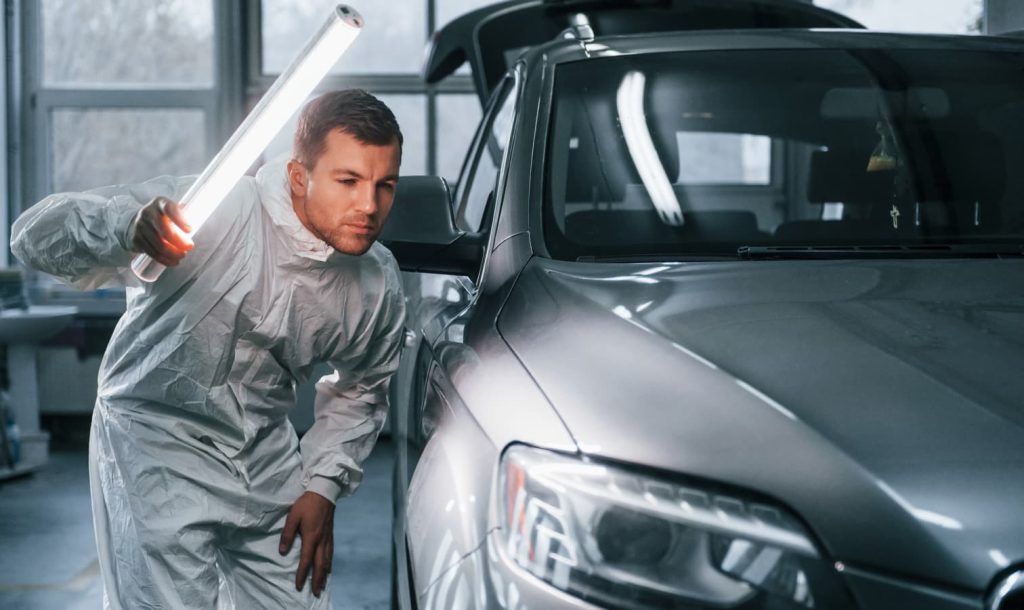
Mercedes Repairs Demand a Standard Beyond Basic Body Work
Mercedes vehicles carry a different kind of expectation. Owners often expect quietness, comfort, clean fitment, strong structure, and a finish that feels refined from every angle.
That expectation changes how collision repair should be handled.
A Mercedes with accident damage needs more than dent removal and paint. It may need structural inspection, panel correction, bumper and fender restoration, factory-level refinishing, and careful attention to how each repaired area supports the overall vehicle.
Mercedes body panels, aluminum components, structural designs, and trim systems can require specific repair methods. If a shop treats the vehicle like a standard car, problems can appear in the form of uneven panel gaps, poor paint texture, weak repairs, wind noise, water leaks, or a general feeling that the car is no longer as solid as it once was.
A Mercedes repair should feel calm when finished.
The door should close cleanly. The body lines should sit evenly. The paint should blend naturally. The hood, bumper, grille, lamps, and fenders should look like they belong together. The repaired area should not ask for attention.
That last point matters. The best luxury repairs are often invisible.
No one should walk around the vehicle and immediately know where the damage happened. The finish should not tell on the repair. The panel gap should not tell on the repair. The reflection should not tell on the repair. The way the vehicle drives should not tell on the repair.
For Mercedes owners, this level of repair protects more than appearance. It protects the comfort and confidence that made the vehicle worth owning in the first place.
Paint Matching Is More Difficult on Luxury Vehicles
Paint is one of the most misunderstood parts of luxury collision repair.
Many people assume paint matching means looking up a factory paint code and spraying the damaged panel. That is not how high-quality refinishing works. A paint code gives a starting point, not a perfect answer.
Vehicle paint changes over time. Sun exposure, heat, washing habits, previous repairs, age, oxidation, and clear coat condition all affect how the finish looks today. Two vehicles with the same paint code may not look exactly the same after years on the road.
This becomes especially difficult with luxury finishes.
Metallic paints can shift depending on how the flakes lay in the paint. Pearl colors can change under different angles of light. Deep black finishes reveal sanding marks and texture issues easily. White pearl can be especially unforgiving because the color may look different in shade, direct sun, or under shop lighting.
Las Vegas makes this even more important.
The strong sun exposes paint differences quickly. A panel that looks acceptable indoors may stand out when parked outside at noon. Reflections are sharper. Color shifts are easier to see. Clear coat texture becomes more noticeable.
Proper paint matching requires preparation, test panels, blending skill, and an understanding of how color behaves in real light. The technician must consider shade, tone, flop, metallic orientation, gloss level, and clear coat texture. The repaired panel must blend into the surrounding panels so the eye does not stop at the repair area.
This is where Omega Collision Center’s refinishing process becomes important. A modern paint system and careful preparation help create a finish that does not simply cover damage, but restores visual consistency. On luxury vehicles, that consistency is essential.
A poor paint match does more than look bad. It lowers the perceived quality of the entire vehicle.
Panel Gaps Tell the Truth
Panel gaps are one of the easiest ways to judge collision repair quality, especially on luxury cars.
Look at the space between the hood and fender. Look at the line where the door meets the quarter panel. Look at how the trunk sits against the taillights. Look at whether the bumper sits evenly from left to right.
Luxury vehicles are built with intentional spacing. When those spaces change after a repair, something is wrong.
Uneven panel gaps can mean several things. A panel may have been installed incorrectly. A hinge may be out of adjustment. A bracket may be bent. A mounting point may have shifted. In more serious cases, the underlying structure may not be square.
The problem is that some shops adjust panels only to make the outside look acceptable. They may force a panel into place, loosen nearby parts, or hide the issue with trim. That can make the vehicle look better temporarily, but it does not always address the reason the gap changed.
A careful repair asks why the gap is uneven.
Was the door shell damaged?
Did the pillar move?
Did the fender mounting area shift?
Is the bumper reinforcement affecting the cover position?
Is the hood latch pulling the hood off center?
Is the vehicle structure still within correct measurement?
When technicians understand panel gaps as symptoms, not just visual flaws, they are more likely to find the real problem.
This matters even more on luxury vehicles because the gaps are part of the design. A BMW with uneven hood lines looks wrong. An Audi with one bumper corner sticking out loses its sharpness. A Mercedes with a trunk lid sitting high on one side feels unfinished.
Panel alignment is not decoration. It is evidence of repair accuracy.
Structural Accuracy Is the Foundation of a Luxury Repair
A luxury vehicle can have perfect paint and still be repaired incorrectly.
That happens when the visible work is done well but the structure underneath remains compromised. Structural damage is not always dramatic. It does not always mean the vehicle is twisted beyond repair. Sometimes it means a mounting point has moved slightly, a load-bearing area is out of position, or impact force has changed the way panels and components fit together.
On any vehicle, this matters. On a luxury vehicle, it matters even more because so many parts rely on proper geometry.
If the structure is not restored accurately, the vehicle may develop problems that show up later. Tires may wear unevenly. The car may pull. Doors may not seal properly. Wind noise may appear. Safety systems may not be supported as designed. Future collision protection may be affected.
This is why frame and structural repair should never be treated as guesswork.
A proper structural repair depends on measurement, inspection, controlled correction, and verification. The goal is to bring the vehicle’s foundation back into proper alignment before cosmetic work is finalized.
The order matters.
If a shop focuses on paint and panels before confirming structure, the repair may be built on an inaccurate foundation. The vehicle may look better, but the deeper issue remains. That is like installing luxury flooring in a house without checking whether the foundation is level.
Omega Collision Center’s frame and structural repair service focuses on the kind of accuracy that luxury repairs require. The purpose is not only to make panels fit. It is to restore the vehicle’s balance, safety support, and long-term driving behavior.
Luxury collision repair starts underneath the surface.
Insurance Estimates Do Not Always Capture Luxury Repair Needs
Insurance is often one of the most stressful parts of collision repair. The customer wants the car repaired correctly. The insurance company wants documentation. The body shop needs approval for the actual work required. The first estimate may only include visible damage.
This can be especially challenging with luxury vehicles.
A quick estimate may not account for hidden damage, required procedures, special materials, refinishing complexity, sensor-related work, structural inspection, or additional parts discovered during teardown. Once the vehicle is disassembled, the repair plan may change.
This does not mean anyone did something wrong. It means collision damage often reveals itself in layers.
The problem begins when the repair process is rushed or poorly documented. If a shop does not explain why additional work is needed, the customer may feel confused. If the insurance company does not receive proper documentation, approvals may slow down. If critical damage is not included, the repair may be incomplete.
Luxury repairs need strong communication.
A high-quality body shop should document the damage clearly, prepare a detailed estimate, communicate with the insurance provider, and keep the customer informed. This is not only administrative work. It directly affects repair quality.
For example, if a Mercedes needs structural correction after a rear impact, that work must be identified and supported. If an Audi bumper repair involves sensor-related components or mounting issues, those details matter. If a BMW’s panel alignment requires additional labor because the impact shifted surrounding areas, the repair plan should explain why.
Omega Collision Center’s insurance claim assistance is valuable here because luxury repair is rarely just about the first number on the estimate. It is about making sure the vehicle is properly evaluated before decisions are made.
A low estimate does not always mean a simple repair.
Sometimes it only means the full damage has not been uncovered yet.
Small Luxury Vehicle Accidents Can Still Be Complicated
A low-speed accident can still create complicated damage.
This surprises many drivers. They may look at the vehicle and think the damage is minor because the bumper is scuffed or the fender only appears slightly bent. But modern luxury vehicles are designed with layered systems behind the visible panels.
A bumper cover may hide absorbers, brackets, reinforcement bars, sensors, wiring, and mounting points. A fender may connect to headlight positioning, door gaps, inner supports, and wheel opening alignment. A door impact may affect hinges, seals, intrusion beams, window operation, and trim fitment.
Even parking lot damage can create problems if the impact lands in the wrong area.
Luxury vehicles also tend to have more sensitive design lines. A small dent on a flat panel may be difficult to repair cleanly because the reflection must remain smooth. A scrape along a body crease may require careful metal or plastic repair before paint. A small misalignment near a headlight may make the entire front end look uneven.
This is why luxury collision repair is not measured only by impact speed.
It is measured by what the impact touched, what shifted, and what systems depend on that area.
A minor accident on paper can still require a precise repair in practice.
The Interior Experience Can Be Affected by Exterior Damage
Collision repair is usually discussed from the outside of the vehicle, but luxury cars are experienced from the inside.
That changes the stakes.
A poor repair can create wind noise near a door seal. A misaligned trunk can allow water intrusion. A shifted hood can cause vibration or uneven closing. A badly fitted bumper can create rattles. A door that is slightly off can change the way the cabin feels when closing.
Luxury vehicles are expected to feel quiet, tight, and controlled. When collision damage affects seals, hinges, latches, mounting areas, or structural openings, the owner may feel the difference long after the paint has dried.
This is why a luxury repair should include functional checks, not just visual checks.
Do the doors close with the right feel?
Are the seals seated properly?
Is there any new wind noise?
Does the trunk close evenly?
Does the hood latch correctly?
Are lamps, trim, and moldings secured without tension?
Does the repaired area feel solid?
These checks may sound basic, but they reveal repair quality. A luxury vehicle should not leave the shop with a repaired panel that looks acceptable but feels wrong in everyday use.
A repair is not complete until the vehicle behaves like itself again.
Materials Matter More Than Many Drivers Realize
Luxury vehicles often use a mix of materials. Depending on the model, that may include aluminum panels, high-strength steel, plastic composites, specialized reinforcement areas, and advanced coatings. Each material responds differently to impact and repair.
A technician cannot treat every panel the same way.
Aluminum behaves differently from steel. High-strength structural areas may have limits on how they can be repaired. Plastic bumper covers require proper preparation and refinishing methods. Panels with sharp creases need shaping skill. Components connected to sensors or trim require careful removal and installation.
Using the wrong repair method can create future problems. A panel may lose strength. Paint may fail. Corrosion protection may be compromised. Fitment may suffer. Replacement parts may not sit correctly.
Luxury collision repair requires knowing when to repair, when to replace, and when further inspection is needed.
This decision is not always simple. Repairing a panel may preserve originality, but only if the damage can be corrected safely and cleanly. Replacing a panel may be necessary if the damage affects structure, shape, or long-term durability. The right choice depends on location, material, severity, manufacturer expectations, and how the part contributes to safety and appearance.
A good technician does not choose the easiest answer. A good technician chooses the correct answer for that vehicle.
Repair Planning Is Where Quality Begins
The best repairs are not improvised halfway through the job.
They begin with a plan.
Luxury collision repair should start with a complete assessment. The shop needs to identify visible damage, likely hidden damage, related systems, structural concerns, paint requirements, parts needs, and insurance documentation. Once teardown begins, the repair plan may become more detailed, but the mindset should already be thorough.
A rushed repair plan leads to rushed decisions.
A careful repair plan considers the full sequence of work. Structural correction should happen before final panel alignment. Panel fitting should be confirmed before refinishing. Paint preparation should be clean and controlled. Reassembly should not force parts into place. Final inspection should review appearance, fit, function, and finish.
This process matters because luxury vehicles leave less room for sloppy sequencing.
If the foundation is wrong, the panels will fight the repair. If the panels are wrong, the paint will highlight the problem. If the paint is rushed, the vehicle will reveal it in sunlight. If reassembly is careless, trim and sensors may not sit correctly. If the final inspection is weak, the customer becomes the inspector.
Omega Collision Center’s approach fits this kind of repair because it combines estimating, insurance communication, body repair, structural repair, and refinishing under one process. For luxury vehicles, that coordination helps reduce the chance that one part of the repair is treated separately from the rest of the car.
A luxury repair should feel organized from the first inspection to the final handoff.
A High-End Finish Requires More Than Shine
Shiny paint is not the same as good paint.
This is another common misunderstanding. A freshly painted panel may look glossy, but gloss alone does not prove the repair was done correctly. High-end refinishing requires the right color, proper blending, even texture, clean clear coat, correct surface preparation, and durability.
Luxury vehicles reveal paint flaws quickly.
Orange peel that does not match surrounding panels can stand out. Dust nibs can catch light. Sanding marks may appear under certain angles. Poor blending can create a visible transition. Too much texture or too little texture can make the panel look different from the rest of the car.
The goal is not to make one panel look freshly painted. The goal is to make the entire vehicle look consistent.
That requires restraint.
Sometimes the repaired area needs to be blended into adjacent panels so the color transition disappears. Sometimes extra preparation is needed because the panel shape will reveal imperfections. Sometimes the technician must adjust the approach based on how the color behaves outside the booth.
In Las Vegas, this is especially important because sunlight is unforgiving. A vehicle may look excellent under artificial lighting but reveal a color shift outside. A high-end repair should be checked with the real world in mind, not only under shop conditions.
Factory-level appearance is not just about color. It is about harmony.
The repaired area should not look newer, duller, darker, lighter, rougher, or glossier than the rest of the vehicle. It should belong.
Luxury Owners Need Clear Communication, Not Guesswork
After an accident, luxury vehicle owners often worry about more than repair cost. They worry about value. They worry about safety. They worry about whether the car will ever feel the same again. They worry about insurance shortcuts. They worry about parts. They worry about the repair showing up later.
A good collision repair experience answers those worries with clarity.
The shop should explain what was damaged, what needs inspection, what the repair process involves, how insurance communication works, and what could change after teardown. The customer should not feel left in the dark while the vehicle is being repaired.
Clear communication is not just customer service. It is part of professional repair.
When a customer understands why a repair step matters, they are less likely to feel surprised by supplements, delays, or additional approvals. When they receive updates, they feel more confident that the vehicle is being handled carefully. When the final repair is explained, they can better appreciate the work that happened beneath the surface.
Omega Collision Center’s customer experience is built around this type of communication. For luxury repairs, that matters because the owner is trusting the shop with a vehicle that may represent years of work, personal pride, or daily comfort.
A repair shop should never make the customer feel unreasonable for asking questions.
Questions are often the beginning of a better repair.
Resale Value Depends on Repair Quality
A luxury vehicle’s value can be affected by accident history, but repair quality still matters.
A poorly repaired vehicle is easier to spot. Uneven paint, bad panel gaps, misaligned trim, overspray, poor blending, warning lights, or strange driving behavior can all reduce buyer confidence. Even if the vehicle has been repaired, signs of careless work can make it feel risky.
A properly repaired vehicle gives a different impression.
The paint looks consistent. Panels align. Doors close correctly. The vehicle drives properly. Documentation is clear. The repair does not draw attention to itself.
For luxury vehicles, this is especially important because buyers tend to inspect more carefully. They may look at body lines, paint depth, panel gaps, service records, and accident history before making a decision. A vehicle that was repaired with precision stands a better chance of maintaining confidence than one that looks like corners were cut.
Repair quality cannot erase an accident history, but it can protect the vehicle from looking neglected or improperly restored.
That is one reason choosing the right body shop matters. The lowest repair price may not protect long-term value. A fast repair may not be a complete repair. A cosmetic repair may not address structural or system-related concerns.
Luxury collision repair should be viewed as preservation.
The shop is not only fixing damage. It is helping protect the vehicle’s future condition.
Warning Signs of a Poor Luxury Collision Repair
Some repair problems are obvious. Others take time to notice. Luxury vehicle owners should pay attention to small changes after a repair because those changes can point to deeper issues.
Common warning signs include uneven panel gaps, paint that looks different in sunlight, bumper corners that do not sit flush, doors that require extra force to close, wind noise, water leaks, rattles, warning lights, uneven tire wear, steering pull, trim that feels loose, or reflections that look wavy across repaired panels.
One issue alone does not always mean the repair failed, but it should not be ignored.
A luxury vehicle should feel tight, balanced, and visually consistent after repair. If something feels different, it may be worth having the vehicle inspected. Sometimes a small adjustment solves the issue. Other times, the symptom points to damage that was missed or repair work that was not completed accurately.
The most important thing is not to accept poor fitment or strange behavior as normal after an accident.
A vehicle may have been damaged, but the repair should still aim to restore the intended condition as closely and safely as possible. Owners should not be told to live with obvious misalignment, mismatched paint, or new driving problems simply because the car was in a collision.
Luxury vehicles are built with precision. Their repairs should respect that.
Why the Right Shop Matters More With Luxury Vehicles
Any body shop can say it repairs luxury vehicles. Not every shop approaches them correctly.
The difference is not always visible from the front office. It appears in the inspection process, the repair plan, the documentation, the structural checks, the paint work, the reassembly, and the final quality review.
A luxury vehicle needs a shop that understands the relationship between appearance and function. It needs technicians who know that panel gaps can reveal structural concerns. It needs painters who understand how color changes under natural light. It needs estimators who know that the first insurance estimate may not include everything. It needs a team that does not treat a premium vehicle like a quick cosmetic job.
This is where Omega Collision Center’s combination of services becomes relevant. The shop is not only offering paint or dent repair. It works across collision repair, auto body repair, frame and structural repair, insurance claim assistance, and brand-specific body repair. That broader repair capability matters because luxury collision damage often crosses categories.
A Mercedes may need paint, structure, and insurance documentation.
A BMW may need panel repair, alignment attention, and careful fitment.
An Audi may need bumper repair, sensor-area consideration, and refinishing accuracy.
When those services are handled with one repair standard, the result is more consistent.
Luxury collision repair requires coordination. A vehicle should not be passed through disconnected steps where each part of the repair is treated separately. The finished result depends on every stage supporting the next.
The Best Luxury Repairs Do Not Look Repaired
The highest compliment after luxury collision repair is not “that looks freshly painted.”
The highest compliment is silence.
No strange gaps. No color shift. No rattles. No wind noise. No uneven reflections. No door closing issues. No driving change. No reason for the owner to keep staring at the damaged area wondering if something is still wrong.
A proper luxury repair disappears into the vehicle.
That takes time, process, skill, and discipline. It requires inspection beyond the surface. It requires respect for the vehicle’s engineering. It requires paint work that can survive Las Vegas sunlight. It requires structural accuracy. It requires communication with insurance providers. It requires technicians who understand that small details are not small on a luxury vehicle.
For drivers, the lesson is simple: do not judge a luxury repair only by how quickly the vehicle can be returned or how low the first estimate appears. Judge it by whether the repair plan protects the vehicle’s design, safety, performance, finish, and long-term value.
A luxury vehicle is built with intention. After an accident, the repair should be just as intentional.
That is the difference between basic body work and true luxury collision repair.