
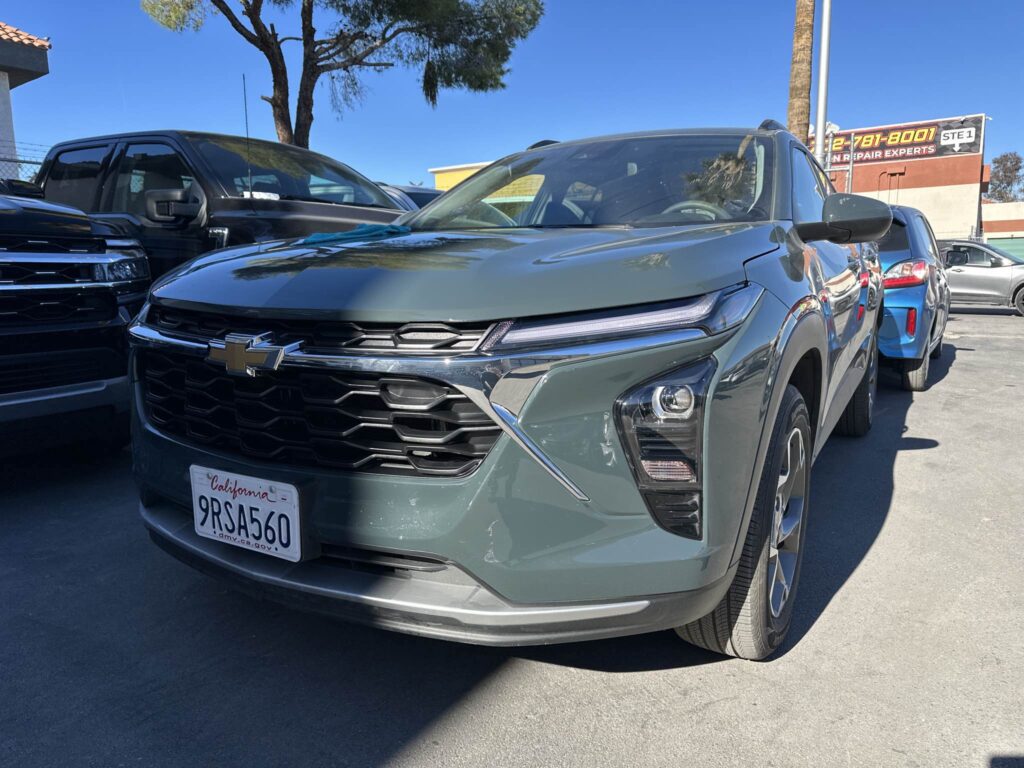
Bumper damage is one of the most frequently ignored forms of vehicle damage. Because it rarely affects drivability and often looks minor, many vehicle owners treat bumper issues as something that can be handled later. This mindset creates a false sense of safety. While the vehicle may continue to operate normally, the damage does not remain static. Over time, ignored bumper damage quietly evolves into a more complex and expensive problem.
Understanding how and why this happens requires looking beyond appearance and considering how bumpers age, absorb stress, and interact with surrounding vehicle components.
Why Bumper Damage Is Treated as Disposable by Most Car Owners
Modern bumpers are often perceived as cosmetic parts. Their plastic appearance leads many owners to believe they are flexible, replaceable, and non-critical. This belief is reinforced by low-speed incidents where damage appears limited to scuffs or shallow dents.
Because the vehicle still drives well, the damage feels optional to address. This short-term thinking is common, but it overlooks how bumper systems are designed to function as part of a larger structural and protective system rather than a standalone panel.
The Bumper as a Wear Component, Not a Cosmetic Panel
Bumpers are engineered to absorb repeated low-level impacts throughout a vehicle’s life. Every impact introduces stress into the bumper material and its mounting points. Even minor damage contributes to cumulative wear.
Over time, plastic loses elasticity, mounting points weaken, and stress absorption becomes less efficient. When early damage is ignored, later impacts place greater strain on already compromised materials. This gradual degradation increases repair complexity and cost.
How Micro Damage Spreads From the Bumper Into Adjacent Panels
Bumper damage rarely stays confined to the bumper itself. Stress travels through fasteners, brackets, and connection points into adjacent panels. Fender edges, quarter panels, and hood alignment can all be affected subtly.
This migration is slow and often invisible. Panel gaps may shift slightly, clips loosen incrementally, and mounting holes elongate. By the time these issues become noticeable, repairs often involve more than the bumper alone.
Why Paint Failure Often Starts at the Bumper First
Bumpers experience greater movement than rigid body panels. Temperature changes cause expansion and contraction, placing stress on paint and clear coat layers. When the bumper surface is already compromised, paint adhesion weakens faster.
Small cracks form near damaged areas, allowing moisture to penetrate beneath the surface. What begins as cosmetic damage can develop into peeling, discoloration, and corrosion on adjacent metal panels.
The Ownership Cost Trap of Ignored Bumper Damage
Ignoring bumper damage often leads to repeated minor fixes rather than a proper correction. Touch-ups, temporary alignments, and cosmetic adjustments add up over time.
Each attempt addresses symptoms rather than the underlying issue. Owners may spend more cumulatively than the cost of a proper early repair. This pattern distorts maintenance budgets and increases frustration when damage reappears.
Why Delayed Bumper Repair Changes the Repair Category
Early bumper repairs are often straightforward. As damage progresses, repair classification changes. What could have been a cosmetic correction becomes a structural alignment issue or part replacement scenario.
Labor hours increase, additional components become involved, and paint work becomes unavoidable. Delay transforms manageable damage into a broader repair scope that demands more time and expense.
How Ignored Bumper Damage Affects Vehicle Longevity, Not Just Looks
Bumper damage influences how vibration travels through the vehicle. Loose mounts and weakened materials contribute to rattles, uneven wear, and changes in driving feel.
These effects accelerate vehicle aging. Panels fatigue faster, noise increases, and overall refinement declines. Longevity is compromised not by a single incident but by cumulative neglect.
Why Insurance Becomes Less Helpful Over Time
Insurance claims rely on clear documentation and timely reporting. When bumper damage is ignored, insurers may classify it as pre-existing. This reduces coverage options and complicates claims.
Delayed action weakens the repair justification. What could have been addressed efficiently after an incident becomes harder to support financially months later.
The Moment Bumper Damage Stops Being Optional to Fix
There is a point where bumper damage transitions from tolerable to problematic. Uneven panel gaps, recurring paint issues, and repeated cosmetic failures signal deeper issues.
At this stage, professional evaluation is no longer optional. Addressing the damage early preserves repair flexibility. Waiting eliminates choices and increases cost exposure.
The Real Cost of Treating Bumper Damage as Harmless
Bumper damage is not just about appearance. It reflects how stress is managed, how materials age, and how ownership decisions influence long-term cost. Treating bumper damage as harmless delays inevitable repairs while increasing their complexity.
Early correction is not about urgency. It is about control. Vehicle owners who address bumper damage at the right time protect value, limit expense, and preserve vehicle integrity. Ignoring it rarely saves money and often guarantees higher costs later.